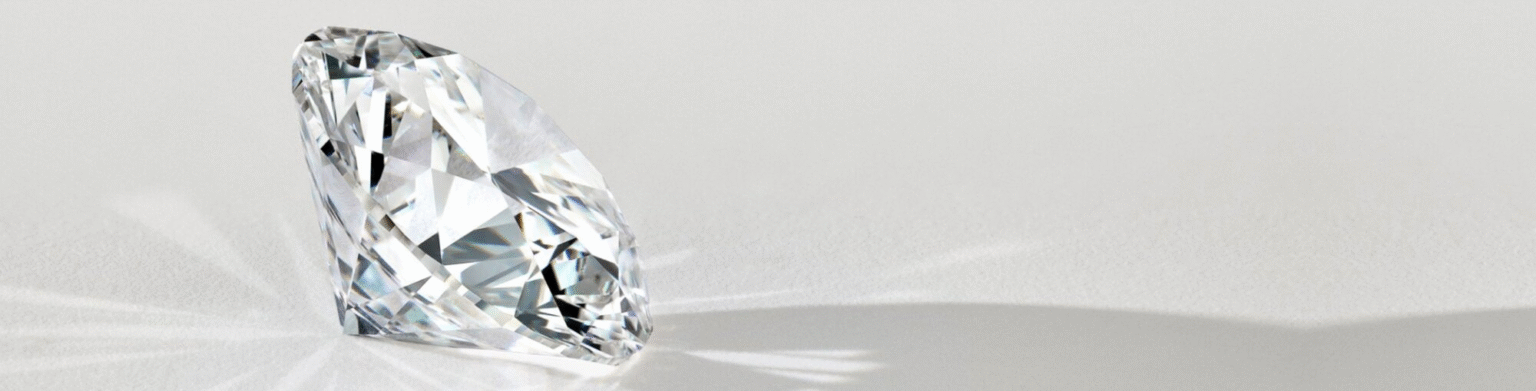
Lab Grown vs. Natural Diamond
Lab grown diamonds are diamonds created in a laboratory environment. They are chemically, physically, and optically identical to natural diamonds.
Expertise you can trust: With 20 years of jewelry expertise, Zeraine Jewelry offers a clear guide to lab grown and natural diamonds—how they are chemically, physically, and optically identical, yet differ in origin, rarity, and value. This guide is carefully researched to explain the industry standards and details that matter when comparing diamonds.
What Is a Lab Grown Diamond?
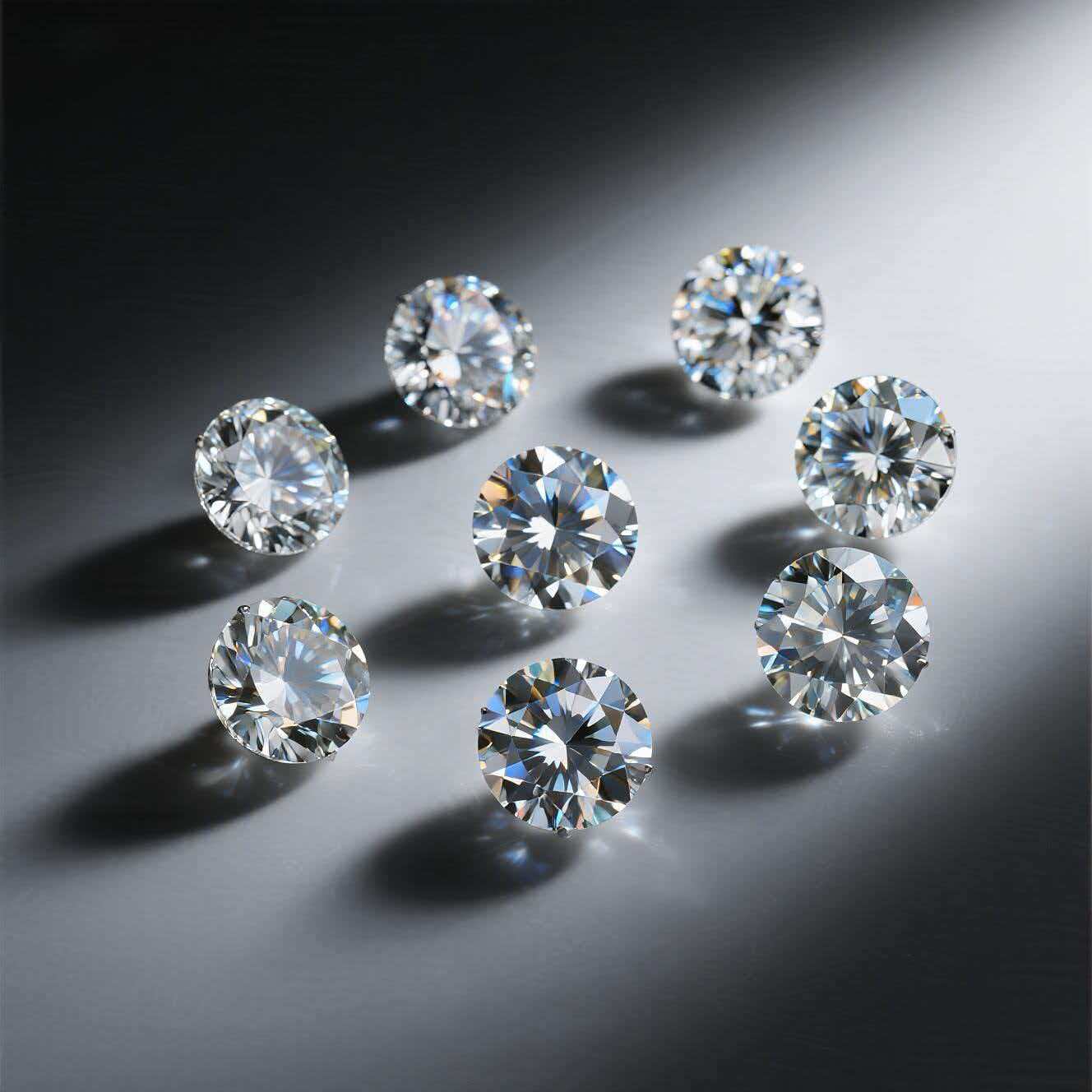
Lab grown diamonds are real diamonds produced in a controlled laboratory setting. Chemically, physically, and optically, lab diamonds are identical to natural diamonds, with the same hardness, brilliance, and fire. Unlike natural diamonds that form over billions of years deep within the Earth’s mantle, lab diamonds can be created in just weeks to months.
Types of Lab Grown Diamonds
Lab grown diamonds start as tiny carbon seeds from pre-existing diamonds. There are two primary techniques used to create lab diamonds: High Pressure High Temperature (HPHT) and Chemical Vapor Deposition (CVD).
- HPHT Lab Grown Diamonds: This method mimics the natural conditions under which diamonds form inside the Earth. A diamond seed is placed in a chamber and subjected to intense heat (over 2,000 degrees Celsius) and pressure (1.5 million pounds per square inch). The carbon atoms in the chamber bond with the seed, crystallizing into a diamond.
- CVD Lab Grown Diamonds: This method starts with a thin piece of diamond seed being placed in a vacuum chamber filled with a carbon-rich gas mixture (typically methane and hydrogen) that’s heated to break down the gas molecules. Carbon atoms settle onto the seed, building layer by layer until the diamond reaches its desired size. Some CVD diamonds undergo additional pressure and heat treatment after growth.
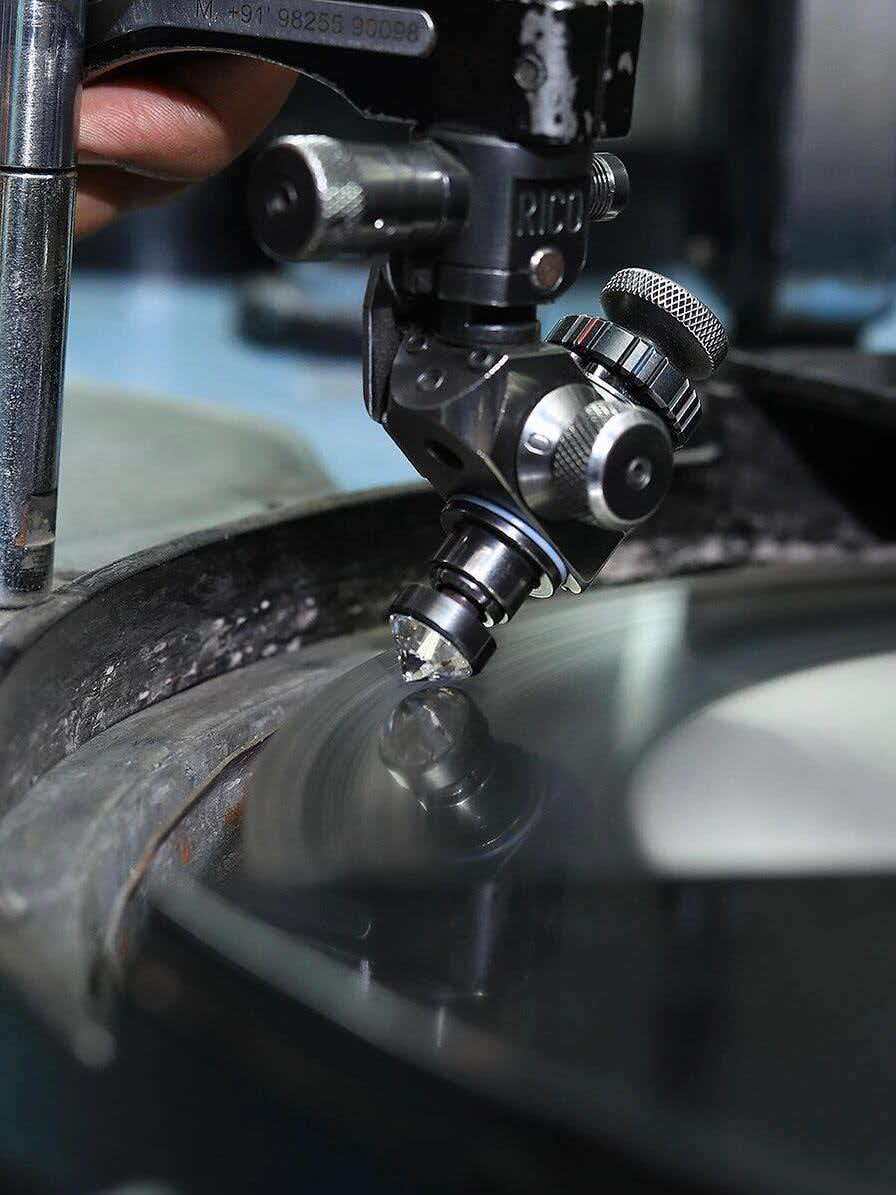
Both methods simulate part of the natural diamond-forming process, resulting in high-quality diamonds that are identical to mined diamonds in every way. After several days, a rough diamond is created, then cut, polished, and set in jewelry. Both methods yield real diamonds with no differences in durability or quality, differing only in growth patterns and production time.
With the naked eye, it’s impossible to differentiate between natural diamonds, HPHT lab diamonds, and CVD lab diamonds; only experts can identify subtle markers related to growth patterns.
Are Lab Grown Diamonds Real?
Yes, lab grown diamonds are as real as natural diamonds are. There are many misconceptions about lab diamonds, a few of the most common being:
- Lab diamonds are “fake” diamonds: This is untrue. Lab diamonds are chemically, physically, and optically identical to natural diamonds.
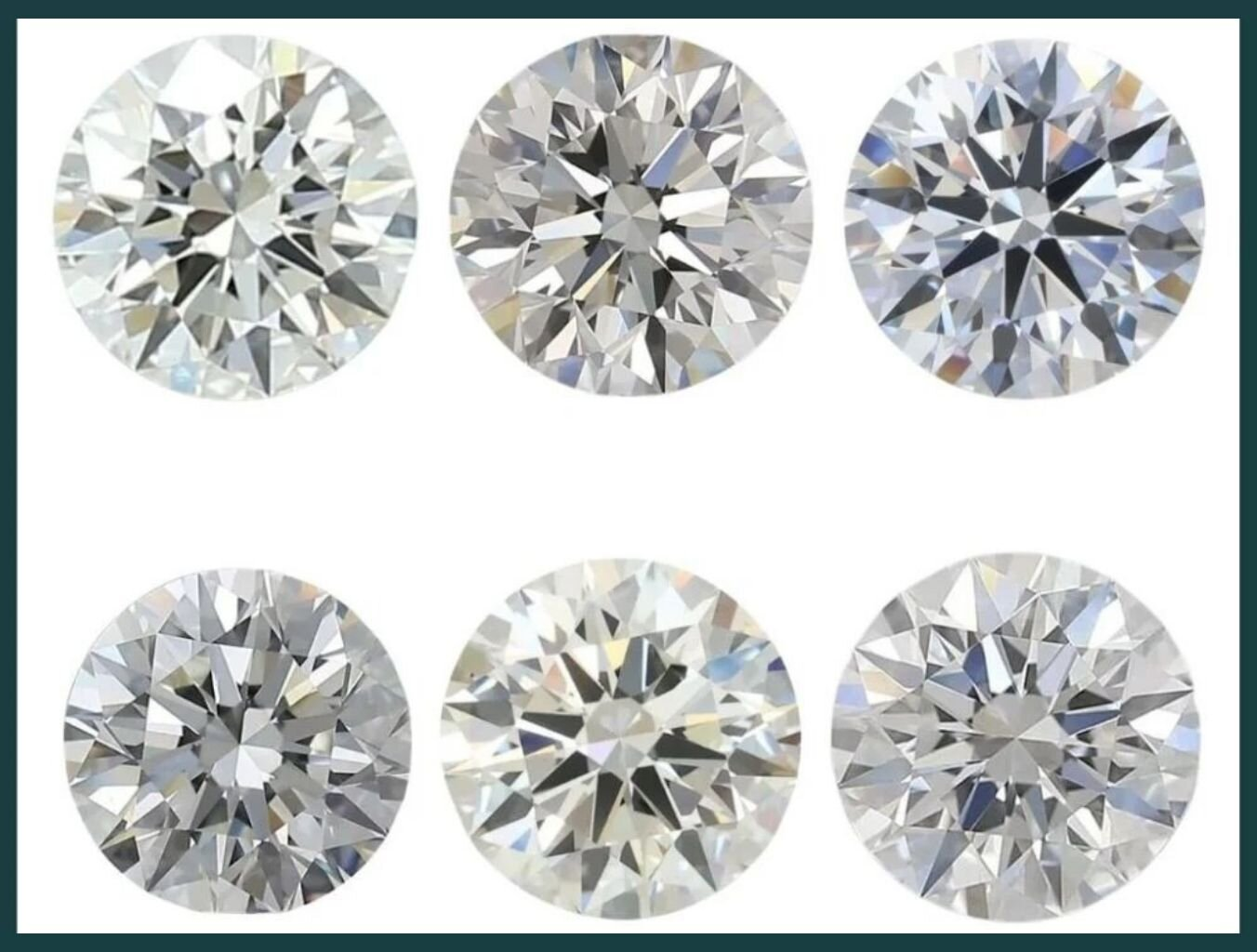
- Lab diamonds look different from natural diamonds: This is untrue. With the naked eye, even experts cannot distinguish lab from natural diamonds without specialized equipment.
- Lab diamonds aren’t as durable: This is untrue. Lab diamonds have the same hardness (10 on the Mohs scale) as natural diamonds.
- Lab diamonds are flawless: This is untrue. Like natural diamonds, lab diamonds can contain inclusions.
The only real difference between lab-grown diamonds and natural diamonds is their origin: lab-grown diamonds are created in a laboratory environment, while natural diamonds are formed deep within the Earth. Like ice cubes in a freezer compared to natural ice, other than that, lab diamonds are identical to natural diamonds and 100% real.
Lab Grown Diamond vs. Natural
Here’s how a lab grown diamond and a natural diamond compare:
| Lab Grown Diamond | Natural Diamond | |
|---|---|---|
| Durability | 10 on the Mohs scale | 10 on the Mohs scale |
| Brilliance | Refractive index ranges from 2.417 to 2.419 | Refractive index ranges from 2.417 to 2.419 |
| Color | Primarily colorless, but can also occur in many color options that are often more vivid than natural options | Primarily colorless, but can also occur in many color options including pink, blue, and yellow |
| Grading | Graded on cut, color, clarity, and carat | Graded on cut, color, clarity, and carat |
| Certification | Certified by reputable gemological institutions | Certified by reputable gemological institutions |
| Origin | Grown in controlled laboratories over several days to weeks, then cut and polished | Formed deep in Earth over billions of years, mined, cut, and polished |
| Rarity | Can be produced in increasing quantities as technology advances | Limited quantities based on geological conditions |
| Price | Lower cost due to availability | Higher cost due to mining and rarity |
Benefits of Lab Grown Diamonds
Lab grown diamonds are a compelling option for those looking to purchase fine jewelry — these benefits explain why.
- Support for Sustainable Practices: Lab diamonds are a responsible choice as they are grown with precise technology that doesn't involve mining. Their production typically has a smaller carbon footprint and less environmental disruption, making them a responsible choice for conscious consumers.
- Identical to Natural Diamonds: Lab diamonds are chemically, physically, and optically identical to mined diamonds.
- Available in Various Colors: Lab diamonds are easily created in unique and vibrant hues like pink, yellow, and blue. These stunning color options are more affordable than their natural counterparts, giving buyers more creative freedom to select a diamond that matches their personal style.
- Value: Lab diamonds are generally more affordable than mined diamonds of the same size and quality. This means you can invest in a larger or higher-quality diamond at the same budget, making it an attractive choice for those seeking luxury at a more accessible price point.
Lab Grown Diamond Certification
Both lab grown and natural diamonds undergo the same grading and certification process from reputable gemological labs, such as the Gemological Institute of America (GIA) and the International Gemological Institute (IGI). The certification process for lab grown diamonds grades quality while ensuring authenticity. A certified lab diamond has undergone an evaluation by a recognized gemological laboratory like IGI or GIA. These gemological laboratories use specialized equipment to grade the diamond’s quality and verify authenticity, while detailing its cut, color, clarity, carat weight, and other unique characteristics or treatments so buyers have accurate information about their diamond.
Which Are Better: Lab Grown or Natural Diamonds?
Neither lab grown nor natural diamond is inherently better. The choice between lab grown and natural diamonds ultimately depends on your personal values and priorities:
- Consider lab grown diamonds if: You prioritize affordability and want a larger stone for your budget.
- Consider natural diamonds if: You value tradition, or the romantic notion of a diamond formed over billions of years and rarity.
Whether you choose a lab grown diamond or a natural diamond, you’re selecting a timeless gem that’s beautiful and brilliant.